
The Royal Opera House Covent Garden
Description
Early Beginnings
The Royal Opera House (ROH) at Covent Garden, London, stands as one of the world’s most prestigious cultural institutions. Its history is a tapestry of artistic triumphs, resilience, and innovation. The site where the ROH now stands has been a focal point for entertainment since the 17th century. The first theatre, known as the Theatre Royal, Covent Garden, was commissioned by actor-manager John Rich and opened its doors on December 7, 1732.
The First Theatre
The original Theatre Royal, designed by Edward Shepherd, quickly became a central hub for London’s burgeoning arts scene. Initially, the theatre’s repertoire included a mix of plays, operas, and pantomimes. However, it faced stiff competition from the Theatre Royal, Drury Lane, leading to a fierce rivalry. This period saw significant contributions from prominent figures such as composer George Frideric Handel, whose works, including “Messiah,” were frequently performed there. Handel’s association with the theatre solidified its reputation as a premier venue for opera.
The Second Theatre
A devastating fire on September 20, 1808, destroyed the first theatre. Undeterred, the theatre was rebuilt and reopened on September 18, 1809. The new building, designed by architect Robert Smirke, featured advanced architectural techniques and improved facilities. This iteration of the Theatre Royal continued to host a variety of performances, including Shakespearean plays, ballets, and operas. However, another fire in 1856 once again razed the building to the ground.
The Third and Current Theatre
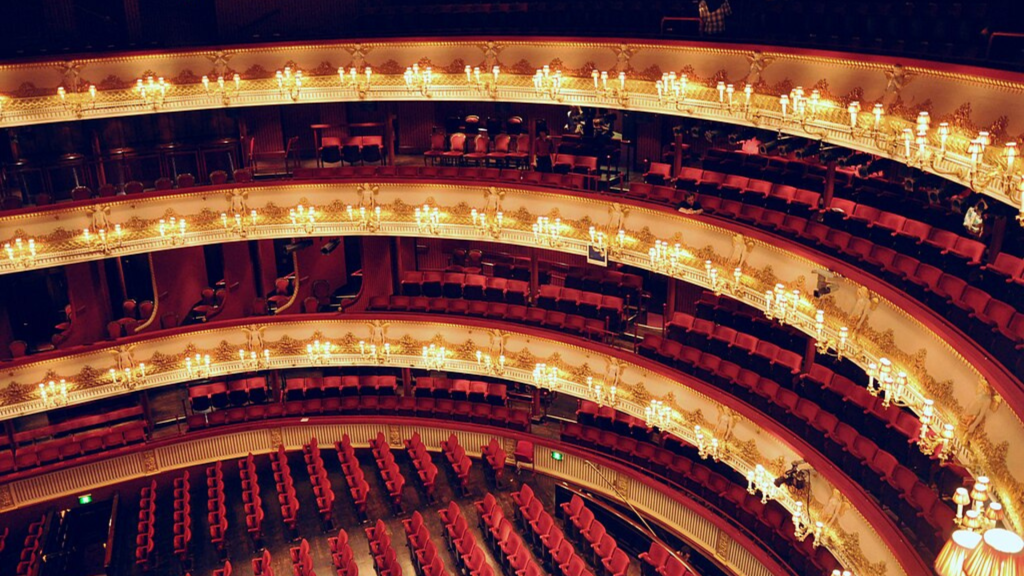
The third and current iteration of the theatre opened on May 15, 1858. Designed by E.M. Barry, this building incorporated a grand neoclassical façade that remains iconic to this day. The theatre’s interior was equally impressive, featuring a lavish auditorium with opulent decorations and excellent acoustics. This period marked the beginning of the theatre’s transformation into the Royal Opera House, a venue dedicated primarily to opera and ballet.
The Royal Charter and Renaming
In 1892, the theatre received a royal charter and was officially renamed the Royal Opera House. This change signified its status as the home of the Royal Opera and the Royal Ballet, two of the world’s leading companies in their respective fields. The ROH became synonymous with excellence in opera and ballet, attracting top talent from around the globe.
The 20th Century: Growth and Challenges
The early 20th century saw the Royal Opera House navigating through periods of significant growth and formidable challenges. The two World Wars had a profound impact on the institution, with performances suspended and the building used for various purposes, including a dance hall during World War II. Despite these disruptions, the post-war era heralded a renaissance for the ROH.
In 1946, the Royal Ballet, under the leadership of Dame Ninette de Valois, made the ROH its permanent home. This move established the venue as a major center for ballet, with landmark productions such as “The Sleeping Beauty” and “Giselle” captivating audiences. Simultaneously, the Royal Opera thrived under the direction of luminaries like Sir Georg Solti and Sir Colin Davis, who elevated its artistic standards and international reputation.
Renovations and Modernization
The latter half of the 20th century and the early 21st century saw significant efforts to modernize and expand the Royal Opera House. A major redevelopment project, completed in 1999, transformed the venue into a state-of-the-art facility while preserving its historical grandeur. The renovation, overseen by architects Jeremy Dixon and Edward Jones, included the addition of the Linbury Studio Theatre, new rehearsal spaces, and improved backstage facilities.
The new building also featured enhanced amenities for patrons, such as expanded foyer areas, restaurants, and bars. The aim was to create a more inclusive and accessible environment for a diverse audience. This period of transformation ensured that the ROH could continue to support ambitious productions and attract world-class artists.
Artistic Achievements and Innovations
Throughout its history, the Royal Opera House has been at the forefront of artistic innovation. It has premiered numerous significant works and has been home to groundbreaking productions. The Royal Opera has staged world premieres of operas by Benjamin Britten, Harrison Birtwistle, and Thomas Adès, among others. These contemporary works have expanded the opera repertoire and challenged audiences with their innovative approaches.
Similarly, the Royal Ballet has been a trailblazer in the world of dance. Under the direction of figures like Sir Frederick Ashton, Sir Kenneth MacMillan, and more recently, Kevin O’Hare, the company has developed a distinctive style that combines classical technique with modern sensibilities. Iconic ballets such as “Manon,” “Romeo and Juliet,” and “Alice’s Adventures in Wonderland” originated at the ROH, showcasing the choreographic brilliance and creative vision of their creators.
Community and Education Initiatives
Beyond its role as a performance venue, the Royal Opera House has made significant contributions to community engagement and education. The ROH Learning and Participation department offers a wide range of programs designed to make opera and ballet accessible to people of all ages and backgrounds. Initiatives such as the Youth Opera Company, Chance to Dance, and ROH Bridge provide opportunities for young people to engage with the arts and develop their talents.
The ROH has also embraced digital technology to reach a global audience. Live broadcasts of performances, available through the ROH’s streaming service and partnerships with cinemas, have made it possible for millions of people worldwide to experience the magic of opera and ballet. These efforts reflect the ROH’s commitment to expanding its reach and fostering a deeper appreciation for the performing arts.
Conclusion
The Royal Opera House Covent Garden stands as a testament to the enduring power of the performing arts. From its early days as the Theatre Royal to its current status as a world-renowned cultural institution, the ROH has played a pivotal role in shaping the landscape of opera and ballet. Its rich history, marked by resilience, innovation, and artistic excellence, continues to inspire and captivate audiences around the world.
As it moves forward, the Royal Opera House remains dedicated to nurturing talent, pushing artistic boundaries, and making the arts accessible to all. Its legacy of excellence and commitment to innovation ensure that it will remain a beacon of cultural achievement for generations to come.